

Projects
Expanding Opportunities for Young Adults to Engage with Science in Urban National Parks

Client Name
American Association for the Advancement of Science
Service
Partnership & Ecosystem Development
Category
Children, Youth, & Young Adults
Sponsor
National Science Foundation
Location
Washington, DC
Project recap
National Parks Science Challenge explored how mobile technologies and designed learning experiences can expand when and where teenagers engage with science in urban national parks. The Institute for Learning Innovation led the science capital research component, working with urban teenagers to better understand their experiences with STEM, national parks, and science participation.
Project overview
In partnership with the American Association for the Advancement of Science (AAAS), the National Park Science Challenge was created to broaden opportunities for science learning by connecting teenagers with urban national parks through mobile-supported learning experiences. The project explored how informal environments such as national parks can support lifelong learning by creating opportunities for teenagers to engage with science in settings connected to their communities.
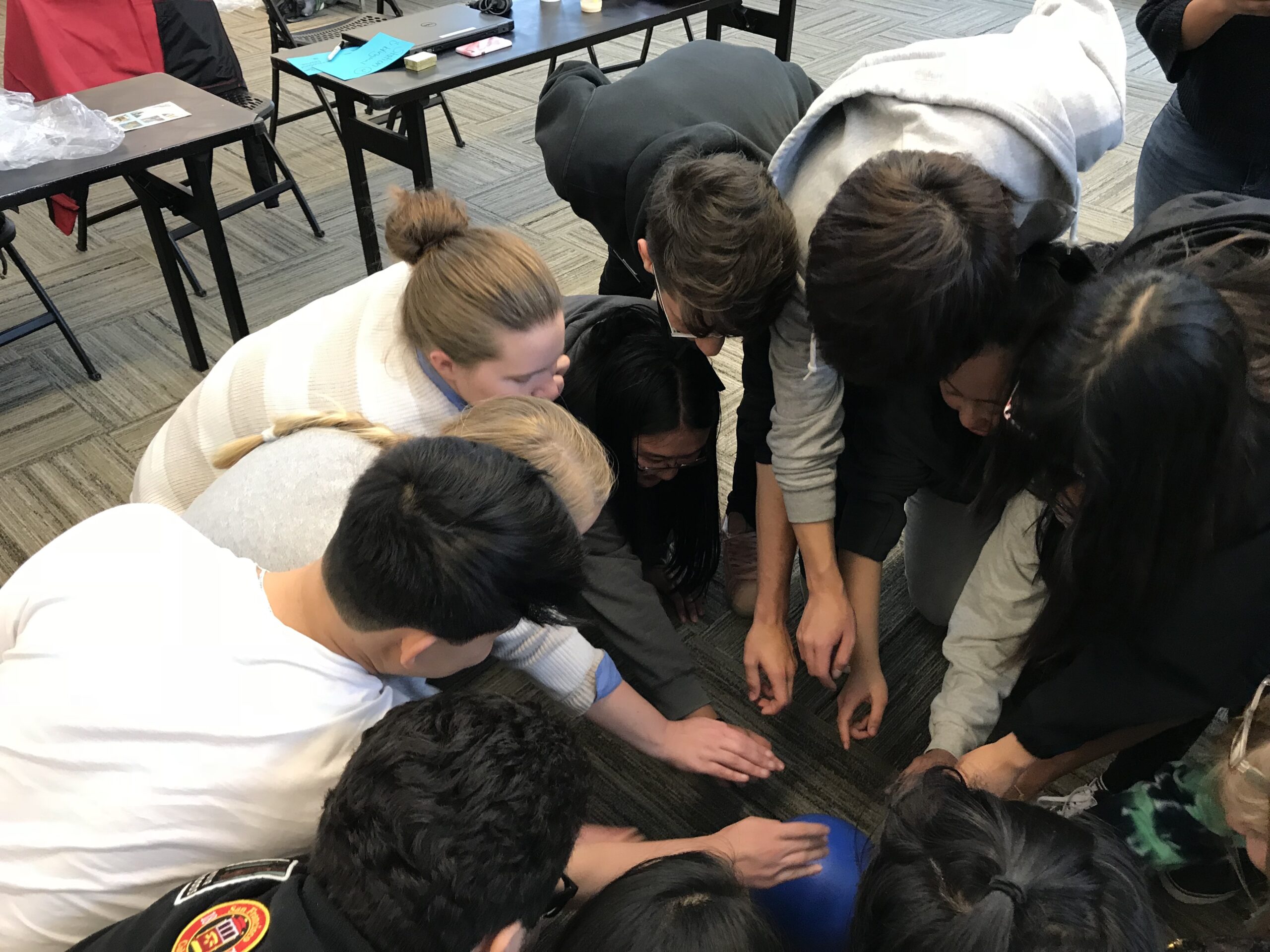
The Institute for Learning Innovation led the project’s science capital research component, which focused on understanding how teenagers view science, how they see themselves in relation to science, and what experiences influence their participation in STEM. Through deliberative focus groups with urban teenage groups, participants reflected collectively on their experiences with science, shared personal narratives of science participation, and identified topics and issues that felt relevant to their communities.
The research was conducted in partnership with organizations including the Park Youth Collaborative, Rock Creek Park Conservancy, and the Bringing the Lessons Home Program at the U.S. Holocaust Memorial Museum. Together, the partners worked with young adults to explore their attitudes toward STEM, their perceptions of national parks, and the barriers and opportunities they encounter when engaging with science in these spaces.
Data collection included surveys, focus group discussions, and participant-produced artifacts that captured young people’s perspectives and experiences. These insights informed the design of a new learning tool intended to support young adult engagement and learning in national park environments. By centering young people’s voices and experiences, the project contributed to a deeper understanding of how national parks and other informal learning environments can support more inclusive participation in science.
Let’s Work Together!
Join our network of clients and collaborators working to accelerate learning in their organizations and communities.