

The project described here is an NSF-funded collaboration (DRL-2115488), Culturally Sustaining STEAM, led by the High Desert Museum and involving teams from the Institute for Learning Innovation, the Oregon Coast Aquarium, Caddo Mounds State Historic Site, the Wild Center, and Reimagine Research Group. Together, we’re exploring how to create place-based family STEAM programs designed to reflect and build upon the unique cultures, knowledge, and environments of their communities.
News & Blogs
Famlies are Key to Learning
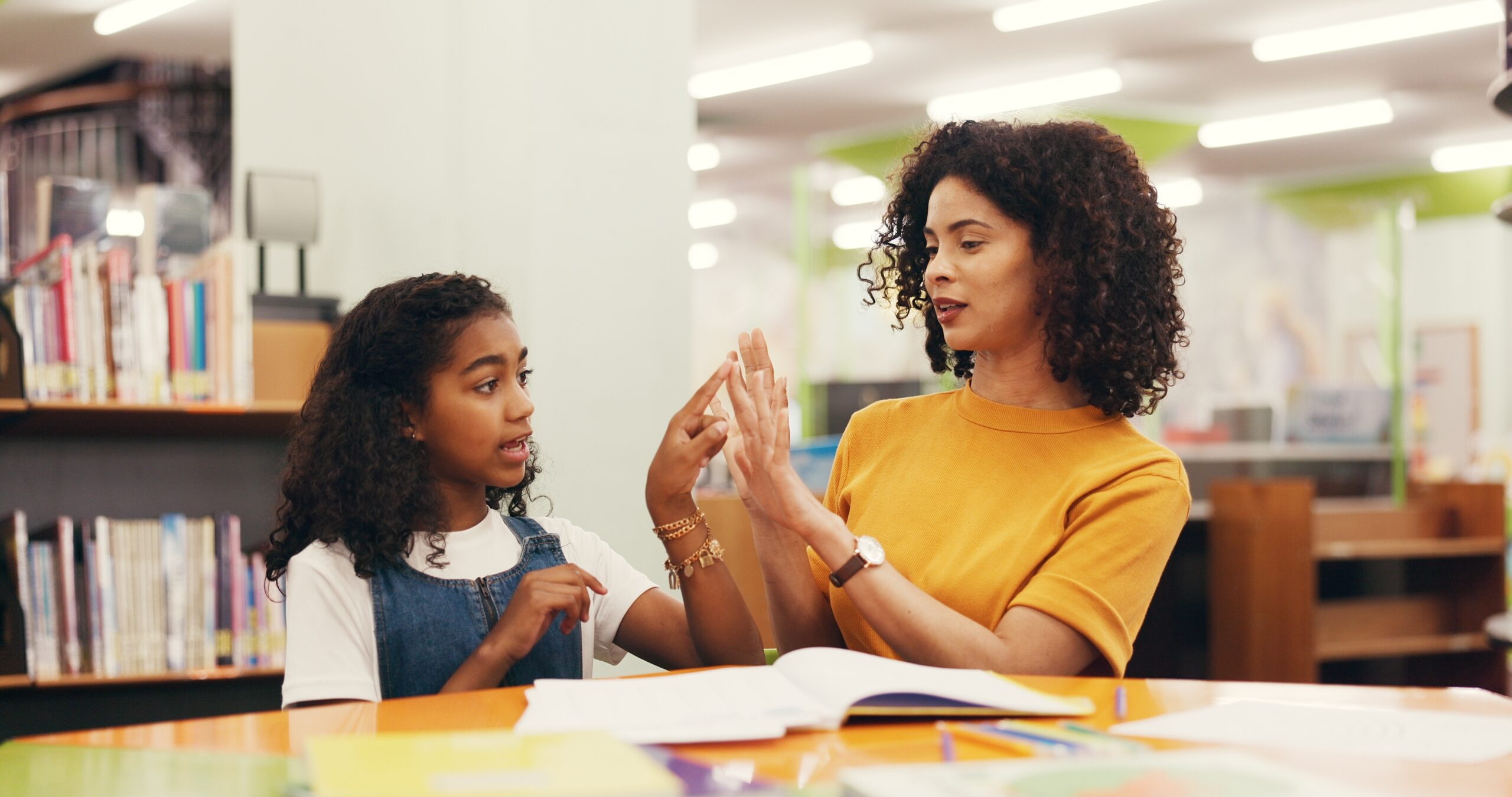
Ten-year-old Ali attended a family STEM workshop series at the High Desert Museum in Bend, Oregon with her family to learn about mammalian carnivores in the nearby national forest. One week, they took home a trail camera—a motion-triggered remote camera—to document mammals in their area. Ali’s mom suggested placing it in the canyon near their home, using what they’d learned about animal evidence like scat and tracks to choose the spot strategically.
When the first week produced no images, they felt disappointed but determined. During her next run, Ali’s mom examined the canyon for signs of animals, photographing footprints and scat. At home, she and Ali pulled out the book from the workshop to identify what they’d found. They talked as a family about what changes to make. Ali’s cousins heard about the project and wanted to help, so together they tried different types of bait to attract animals to the camera site.
What happened next demonstrates the power of family learning. Through their shared experiences in the program and motivated by both Ali and her mom’s developing knowledge, interests, and memories their learning did not stop at the end of the program. The family continued to engage in activities by taking what they learned in the program into their community. They went on more hikes to explore together and started noticing scat and tracks they’d overlooked before and taking pictures to share with family in joint activities. Ali’s mom saw their child’s developing interests and went to the library to find more resources. The family shared their learning with each other, with extended family, and with their community.
This wasn’t a hypothetical learning experience. This story was from a family from one of our projects, and their experience reveals what becomes possible when families learn together.
Three Key Insights About Family Learning
At the Institute for Learning Innovation, we study how families function as learning contexts, particularly during childhood when caregivers play such a vital role. Ali’s family demonstrates what can happen when programs create the right conditions: they didn’t just learn during the workshops, they continued exploring at home, involved extended family, and used community resources like the library.
- Families as Co-Learners, Not Just Supporters.
What made Ali’s family’s experience so powerful? It was that the program positioned the entire family as co-learners and gave them tools to keep exploring together.
Too often, we design programs for children and position families as supporters who help with homework and facilitate transportation to activities. But families are dynamic learning systems where everyone grows together. Ali’s mom didn’t just facilitate her daughter’s learning, she was actively learning herself, strategizing about camera placement during her runs, identifying scat and tracks, problem-solving with the family about what to try next.
When families engage in learning experiences whether exploring nature, visiting museums, reading, or simply talking about the world, it’s not just children who develop. Adults grow too, in confidence and curiosity, and in seeing themselves as capable learners and guides. This matters because the learning is reciprocal. Caregivers help children understand new concepts, but children ask questions that push adults to think differently. Roles shift. Understanding deepens through genuine collaboration.
- The Power of “Brokering”
One of the most important roles families play is connecting experiences across contexts, also known as brokering. Ali’s family did this naturally by linking what they learned at the museum to their local canyon, to library resources, to their extended family network, and to the broader community. When caregivers grow in confidence and see themselves as capable learners, children develop stronger identities as learners too. The benefits flow in both directions.
- Rethinking Persistence
What sustained Ali’s family’s engagement wasn’t just individual interest and motivation. It was the relationships within the family (working together, involving cousins), the connection to their local community, and the relevance to their everyday lives. Persistence emerged through these relationships and connections.
Lorem ipsum dolor sit amet consectetur adipisicing elit, sed do eiusmod tempor incididunt ut labore et dolore magna aliqua. Ut enim ad minim veniam, quis nostrud exercitation ullamco laboris nisi ut aliquip ex ea commodo consequat. Duis aute irure dolor in reprehenderit in voluptate velit esse cillum dolore eu fugiat nulla pariatur. Excepteur sint occaecat cupidatat non proident, sunt in culpa qui officia deserunt mollit anim id est laborum.
The Bigger Picture: Families and Learning Ecosystems
Together, these three insights reveal something fundamental: families are already creating learning ecosystems or networks of resources, relationships, and opportunities, that work for them. Through co-learning, families build shared understanding and confidence. Through brokering, they navigate and connect disparate resources and opportunities across settings—museums, libraries, home, community. Through sustained relationships, they create the conditions for persistence.
When families navigate these ecosystems together, rather than sending only the child to programs, they can take fuller advantage of what’s available. The power of family brokering, the reciprocal learning, and the connections across contexts reinforce and amplify one another.
This means that museums, libraries, and other institutions need to understand themselves not just as destinations, but as vital parts of a broader learning ecosystem. Programs are most effective when they position families as co-learners and support them in navigating and connecting to the wider ecosystem.
Our Work at ILI
At the Institute for Learning Innovation, we examine how families learn across settings, with particular focus on out-of-school and informal contexts. We partner with museums, libraries, community organizations, and family-serving institutions to design programs that position families as co-learners. We help organizations think about how to support caregivers’ development alongside children’s growth.
Moving Forward Together
None of this work happens in isolation. Families exist within broader learning ecosystems that include schools, museums, libraries, community programs, and more. Our goal is to help strengthen the connections among these contexts, recognizing that each plays an important role and that families often serve as bridges linking these experiences together.
If you’re working with families in any capacity, whether in museums, libraries, schools, or community organizations, we’d love to connect. The more we understand about how families learn together, the better we can support the conditions that allow curiosity to flourish and learning to thrive.
Related Resources
Ideas in Action
Let’s Work Together!
Join our network of clients and collaborators working to accelerate learning in their organizations and communities.